Our country doesn't have a water shortage, but a lack of vision, says Sander Pielkenrood, CEO of Dutch Clean Tech
The Netherlands can handle water better
Our country doesn't have a water shortage, but a lack of vision, says Sander Pielkenrood, CEO of Dutch Clean Tech.
People in the Netherlands are increasingly being told that they need to use water more sparingly. The government is working towards a situation in which, by 2035, Dutch people use an average of only 100 litres of drinking water per person per day. At the same time, businesses in some parts of the country can no longer get a new connection because of limits on available water capacity. The message is clear: water is becoming scarce. But is that really the case?
No. The Netherlands does not have an absolute shortage of water. We have a shortage of clean water and, above all, a shortage of vision on how to deal with it.
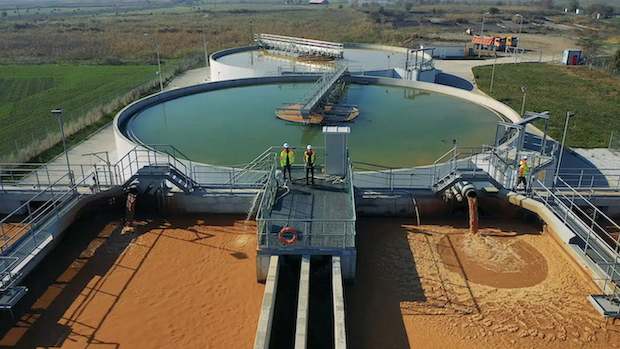
Worldwide, an estimated 80 per cent of wastewater is still discharged untreated. Not because the technology is lacking, but because investment lags behind. While governments urge citizens to take shorter showers and water the garden less often, an enormous amount of potentially usable water disappears untreated into rivers, seas and soil every day.
Let one thing be clear: wasting water is never wise. Clean water is precious and we must treat it with care. Nobody argues for unnecessary water use. But using water carefully is something different from preparing a society for scarcity when the real solution lies elsewhere.
The Netherlands receives an enormous amount of water every year. Through the Rhine, the Meuse and other rivers, roughly 80 to 100 billion cubic metres of water flow into our country each year. On top of that comes about 30 billion cubic metres of precipitation. Converted, more than six million litres of water per inhabitant enter the Netherlands every year.
Of course, not all of that water is immediately suitable as a source of drinking water, but it does show that the issue is not about the amount of water available. It is about how we store, treat, reuse and make that water available.
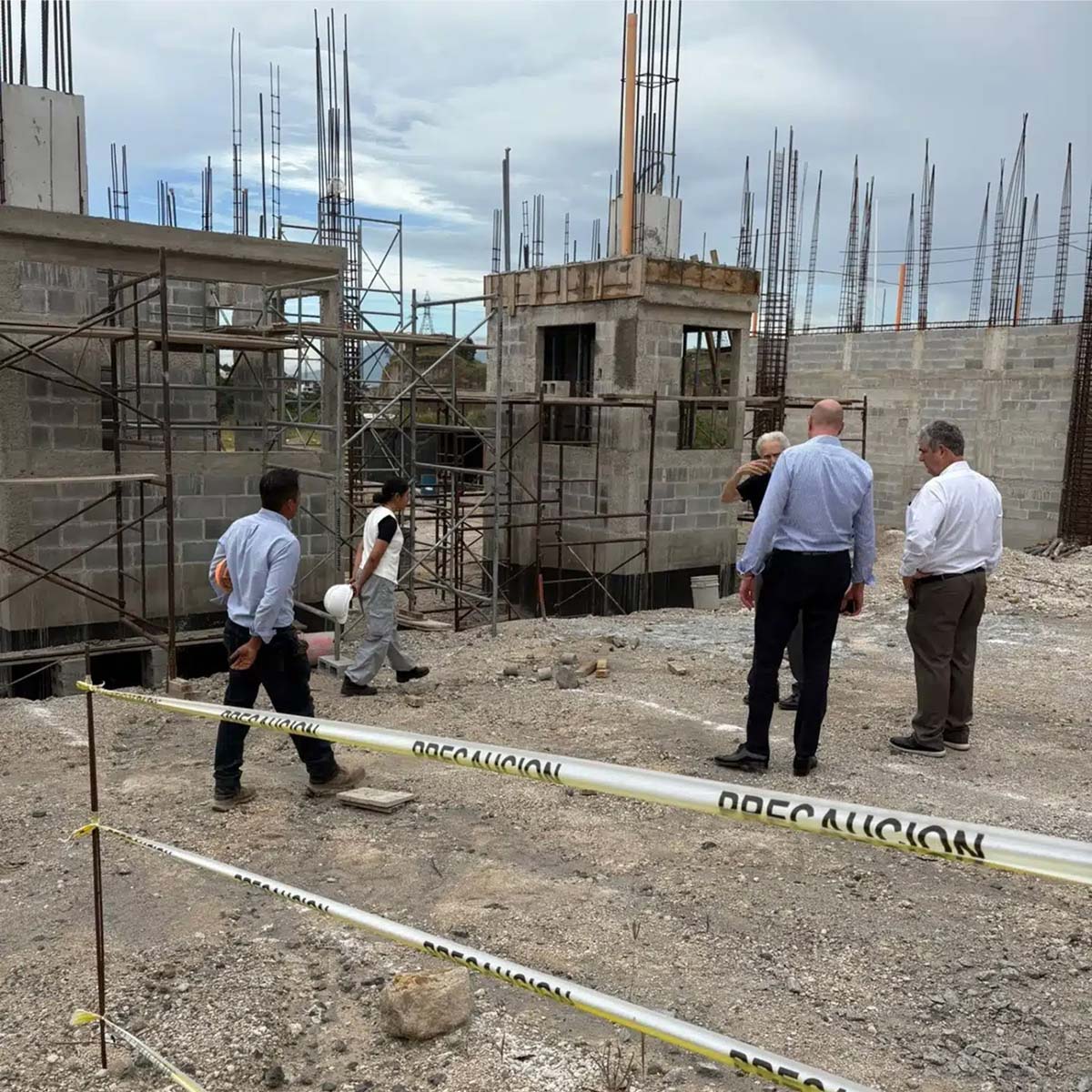
Remarkably, it is precisely countries with fewer natural water sources that are leading the way. Singapore produces a considerable share of its water supply from treated wastewater. Israel reuses more than 85 per cent of its treated wastewater. The United Arab Emirates invests on a large scale in desalination and reuse. In Mexico, too, more and more projects are being developed in which treated wastewater is reused for industrial processes. These countries understand that water security is not created by imposing restrictions, but by investing in technology, infrastructure and innovation.
The irony is that the Netherlands has far more water expertise than many of these countries. Our engineers, knowledge institutions and technology companies are among the best in the world. Dutch water technology is used worldwide to solve water problems. Yet at home we seem increasingly to choose managing scarcity over creating solutions.
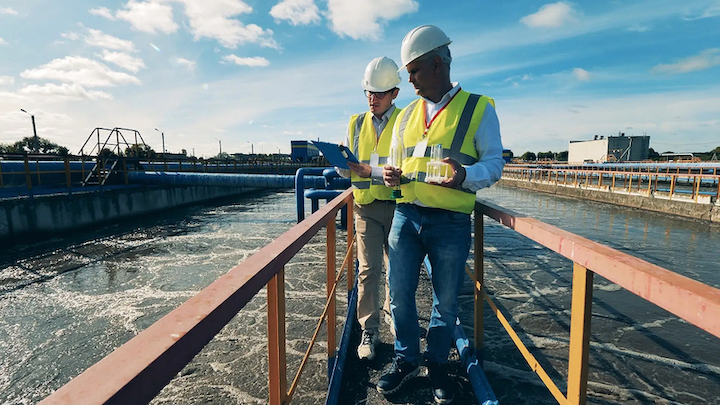
That is striking, because money is not the biggest problem. Over the coming years, Dutch water boards will jointly invest more than €15 billion in water management. Even so, the focus often remains on managing existing systems, while large-scale water reuse and innovative treatment technology do not get enough priority. The technology already exists. What is missing is the ambition to apply it on a large scale.
We see this in practice. Entrepreneurs who want to expand or open new production sites increasingly run into restrictions. In parts of the Netherlands, new connections are postponed or refused. Investments are put on hold and companies look at alternative locations outside the Netherlands. That is not only an economic problem, but also a sign that our infrastructure is not growing along with our ambitions.
While other countries are building the water infrastructure of the future, we are debating how many litres of water a citizen may use. That is the wrong debate.
The question should not be how we divide up existing shortages. The question should be how we make more clean water available. How we can turn wastewater into a valuable raw material. How we can help industry, agriculture and municipalities to use water again and again.
The Netherlands became great through water management. Our history is a story of innovation, entrepreneurship and technical solutions. Let us not trade that tradition for a policy aimed mainly at restrictions.
A country known worldwide for its water expertise should not be afraid of water. It should invest in cleaning it. Because the real challenge of this century is not a shortage of water. The real challenge is making enough clean water available for everyone.
Sander Pielkenrood, CEO of Dutch Clean Tech