The Netherlands warns of drinking water shortages: why the water transition is accelerating
Over the past few weeks, a striking number of reports have appeared in national media about the future of drinking water in the Netherlands. For years, clean drinking water was taken for granted. Now governments, knowledge institutions and the media are warning ever more emphatically about structural shortages, increasing pollution and growing pressure on infrastructure.
Het Financieele Dagblad, NRC, Trouw and NOS, among others, have reported on the need for far-reaching measures to ensure that the Netherlands still has enough clean and affordable drinking water towards the end of this century. According to the Council for the Environment and Infrastructure (Rli), a national strategy is needed to prevent future shortages.
What long seemed mainly an international problem is now becoming visible in the Netherlands as well:
- drinking water companies are warning of capacity problems
- water sources are becoming polluted
- climate change is increasing the pressure on available fresh water
- permits and infrastructure are lagging behind growing demand
- industry, housing and agriculture increasingly compete for the same water capacity.
Vitens recently stated that without new sources and investment, shortages will become unavoidable. In addition, purification costs are rising because surface water and groundwater are becoming ever more heavily polluted. Medicine residues, PFAS, nitrogen and industrial discharges, among other things, are forcing drinking water companies to use more complex and more expensive purification processes.
The facts don't lie. Over the past few years, Dutch Clean Tech has repeatedly pointed out that water will become one of the most important strategic themes of this century worldwide. Not because there is too little water on earth, but because clean and usable water is becoming increasingly scarce due to pollution, population growth, climate change and underinvestment in infrastructure.
At the same time, we realise that it is important not to approach this development solely from our own perspective. That is why we find it relevant that respected media, government bodies and advisory councils are now stressing the same urgency. From FD to NRC, from NOS to Trouw: the message is becoming ever clearer. As a result, water is shifting further and further from a self-evident utility to a strategic theme for the economy, industry, health and geopolitical stability.
From warning to solution
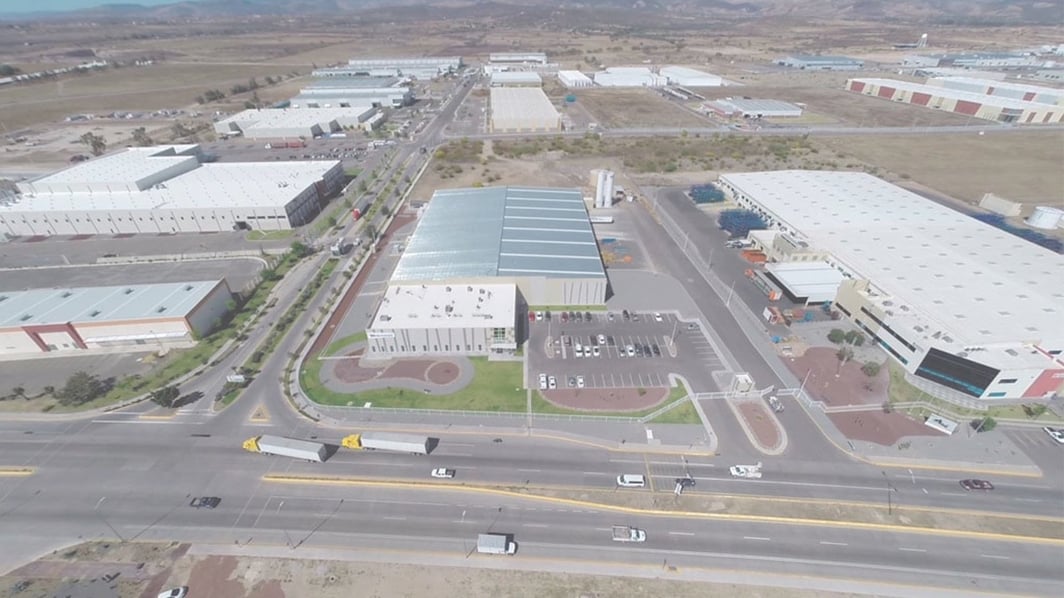
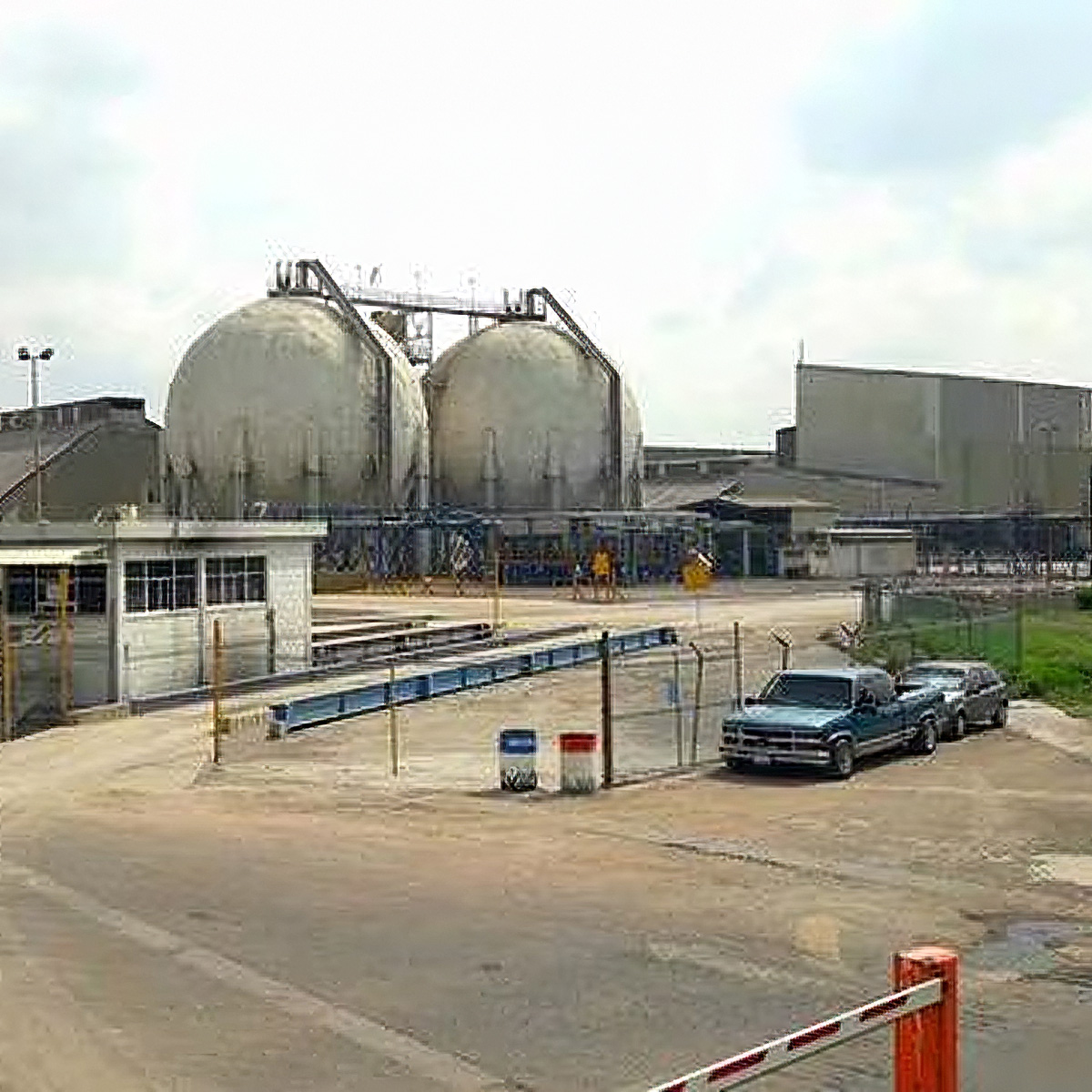
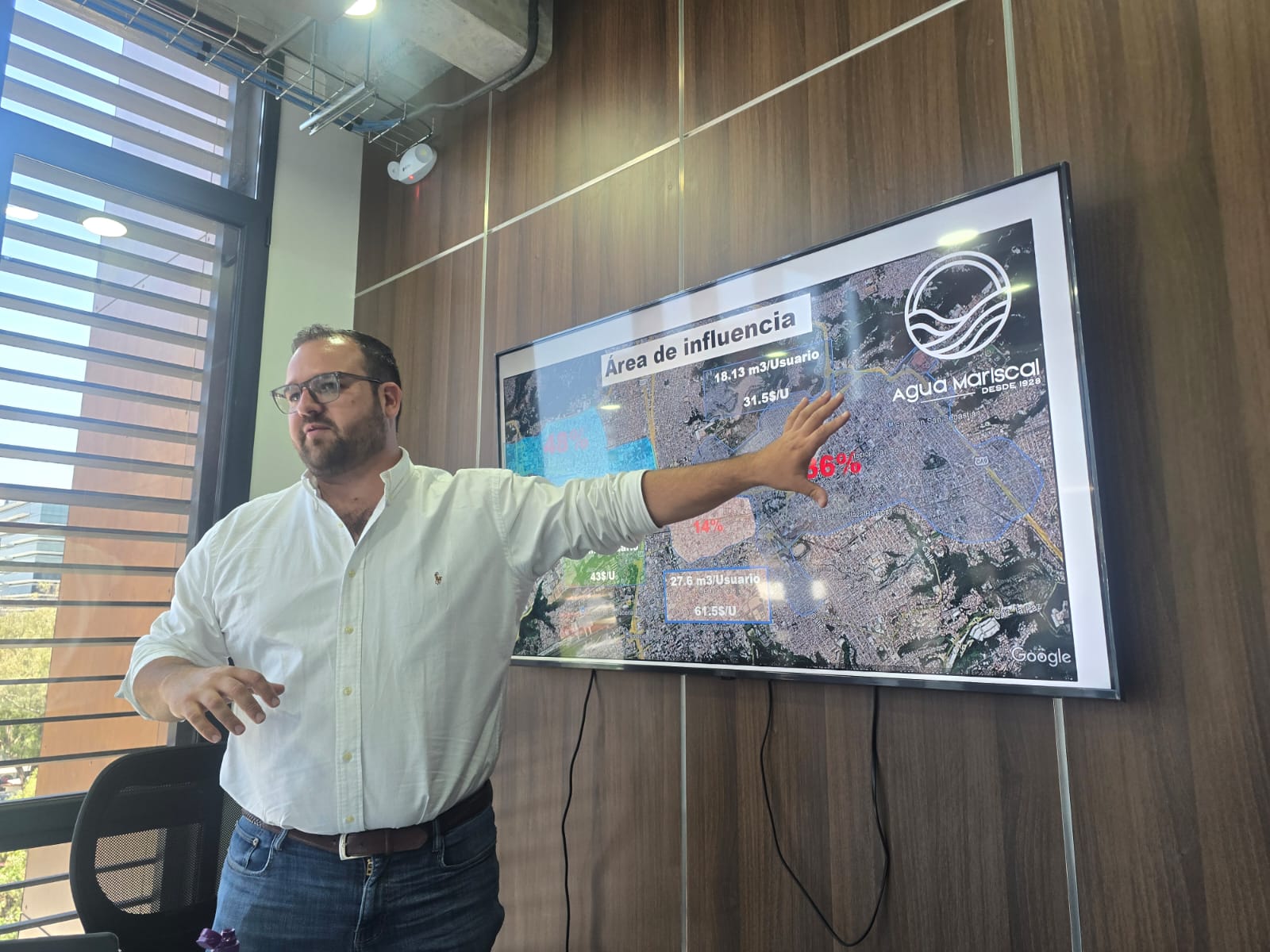
At the same time, attention is growing worldwide for new water solutions: water reuse, circular water treatment, industrial recycling of wastewater, decentralised water installations, sustainable drinking water production, and public-private partnerships around infrastructure. This is precisely the field in which Dutch Clean Tech operates. Internationally, we see this development accelerating. In Mexico, Guatemala and other growth regions, among others, demand for sustainable water solutions is rising sharply. At the same time, it is also becoming increasingly clear in Europe that long-term investment in water infrastructure is necessary.
Where energy was at the centre of the global infrastructure transition for years, attention is increasingly shifting towards water. The combination of rising demand, stricter regulation, increasing pollution, climate pressure, infrastructure shortages and growing societal urgency makes water, according to many experts, one of the most important long-term themes of this century.
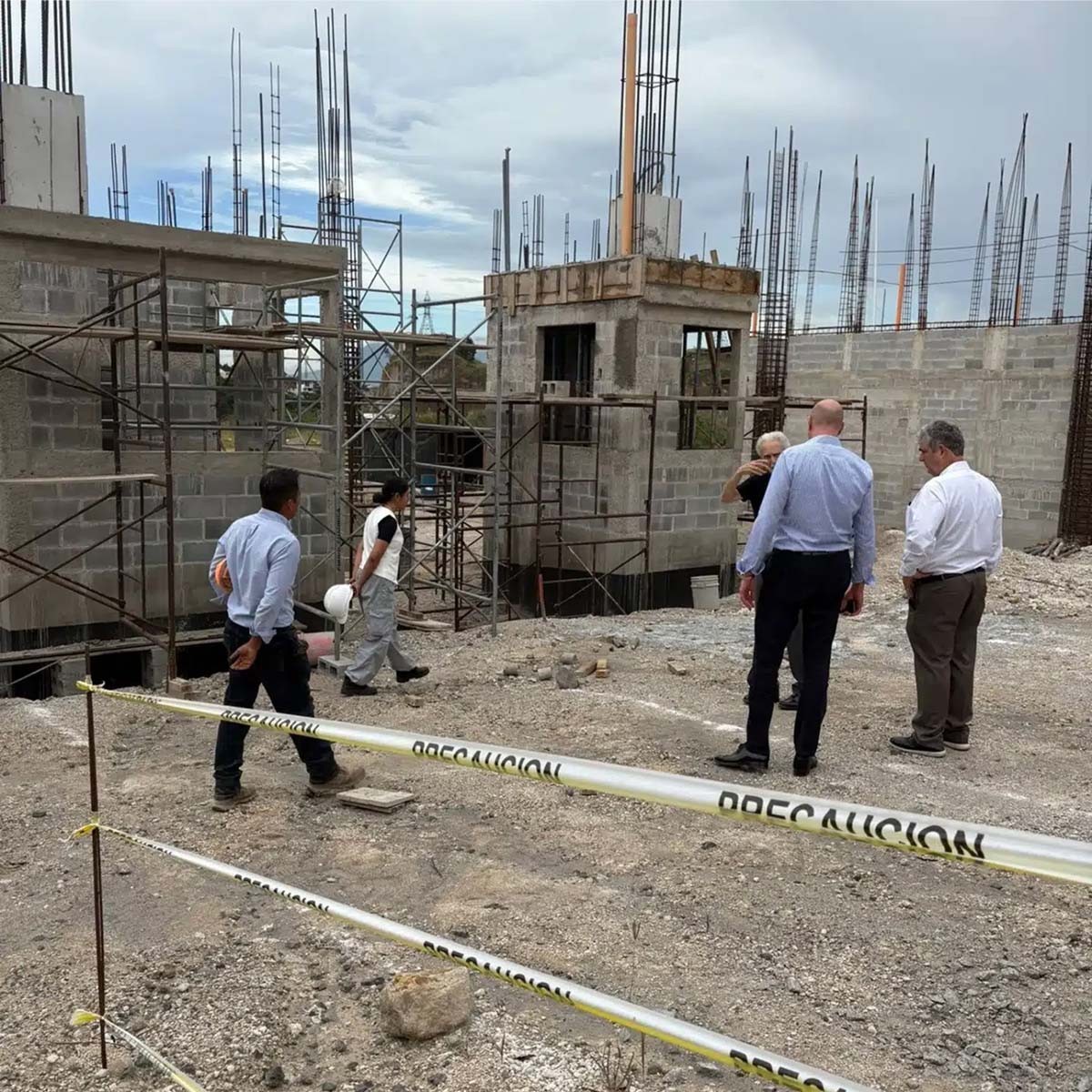
For Dutch Clean Tech, the current coverage once again confirms the relevance of our strategy: investing in scalable, sustainable water infrastructure with long-term contracts and societal impact. In the coming period, we will keep you informed of further developments within our projects, international partnerships and the growth of our portfolio.